
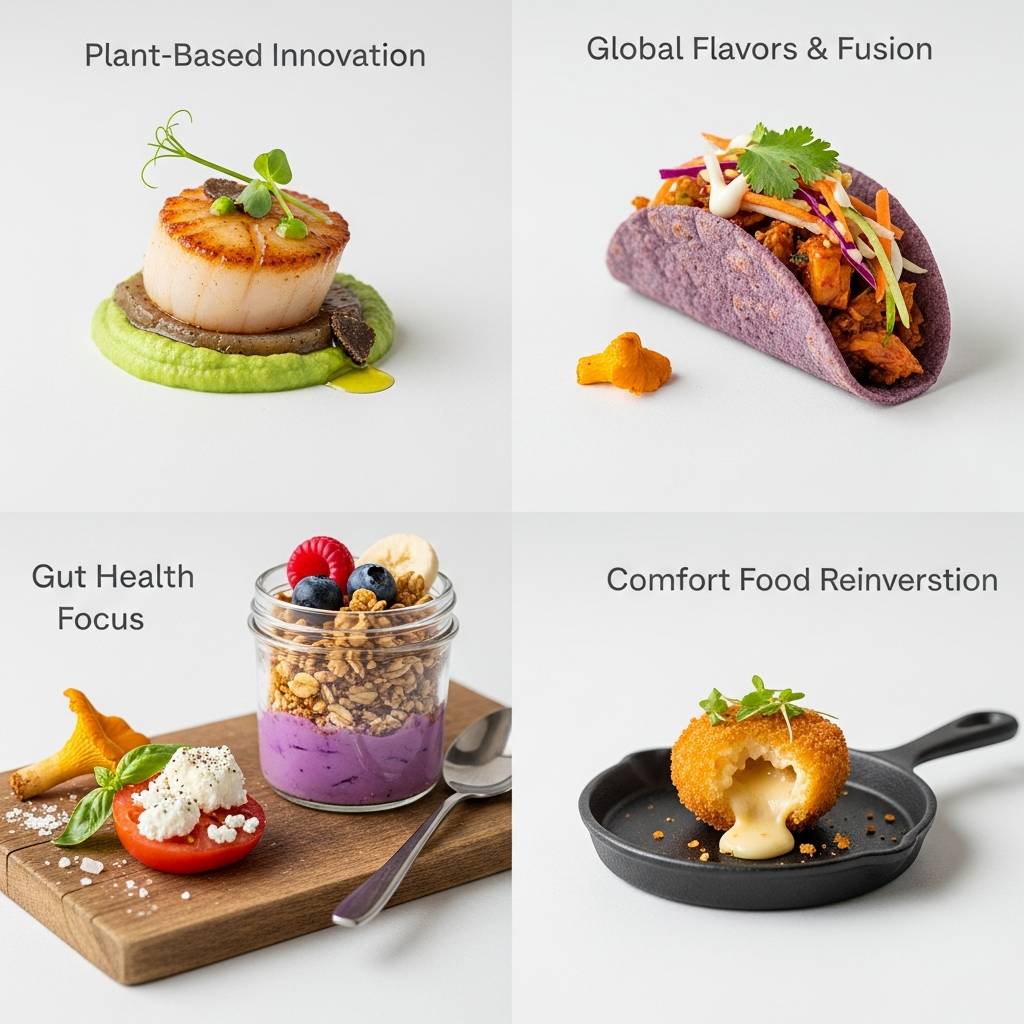
Food Trends: 5 Essential Must-Knows for 2024
The culinary world is a vibrant, ever-evolving landscape, constantly shaped by innovation, changing consumer preferences, and global influences. Staying abreast of the latest **Food Trends** is crucial for anyone involved in the food industry, from restaurateurs and chefs to home cooks and health enthusiasts. Understanding these shifts not only helps businesses adapt and thrive but also empowers individuals to make more informed and exciting choices about what they eat. In 2024, several key **Food Trends** are set to dominate, reflecting a collective move towards health, sustainability, global exploration, and technological integration. This comprehensive guide will delve into five essential **Food Trends** you absolutely must know to navigate the exciting future of food.
The pace of change in how we source, prepare, and consume food is accelerating. These aren’t just fleeting fads; many of today’s dominant **Food Trends** represent fundamental shifts in values and priorities. From the ingredients gracing our plates to the technology streamlining our kitchens, the evolution is undeniable. Let’s explore the pivotal directions these **Food Trends** are taking us in the coming year.
Understanding the Shifting Landscape of Food Trends
The culinary world is a dynamic ecosystem, continuously adapting to new influences and demands. Modern **Food Trends** are not born in a vacuum; they are a direct reflection of broader societal shifts. Consumer awareness about health, environmental impact, and ethical sourcing has never been higher, driving significant changes across the food industry.
These overarching concerns are creating fertile ground for innovation and new product development. Businesses that can anticipate and respond to these evolving **Food Trends** are poised for success. Ignoring them means falling behind in a competitive and rapidly changing market, missing out on opportunities to connect with modern consumers.
The Driving Forces Behind Modern Food Trends
Several powerful forces are currently shaping the trajectory of **Food Trends**. Health and wellness remain paramount, with consumers increasingly seeking foods that offer specific functional benefits beyond basic nutrition. This focus has spurred interest in everything from gut health to cognitive function, influencing ingredient choices and product formulations.
Sustainability and ethical considerations also play a massive role, as global consciousness about climate change and social responsibility grows. Consumers are actively looking for brands that align with their values, prioritizing products with transparent supply chains and minimal environmental footprints. Technological advancements, from AI in recipe development to smart kitchen appliances, are further accelerating these **Food Trends**, offering new levels of convenience and personalization.
Trend 1: Hyper-Personalization and Functional Foods
One of the most significant **Food Trends** emerging is the move towards hyper-personalized nutrition and the widespread adoption of functional foods. Gone are the days of one-size-fits-all dietary advice; consumers now expect food tailored precisely to their individual needs, preferences, and health goals. This shift is powered by advancements in nutritional science and accessible data.
The desire for food that actively contributes to well-being is driving this particular wave of **Food Trends**. People are seeking more than just sustenance; they want meals that enhance energy, improve sleep, boost immunity, or support specific bodily functions. This represents a profound change in how we view the role of food in our daily lives.
Tailored Nutrition: A Key Food Trend
Personalized nutrition leverages genetic testing, microbiome analysis, and wearable tech to offer highly specific dietary recommendations. Companies are developing services that analyze individual biomarkers to suggest optimal meal plans and ingredient choices. This level of customization ensures that food truly serves individual health objectives, marking a new era in **Food Trends**.
For example, some apps now integrate with fitness trackers to adjust daily calorie and nutrient recommendations based on activity levels. This real-time feedback loop allows for dynamic nutritional planning, a concept that was once futuristic but is now becoming a tangible reality for many consumers. The precision this offers is reshaping expectations around what diet can achieve.
alt=”Personalized functional food trends shaping modern diets”
Beyond Basic Sustenance: Functional Food Trends
Functional foods are those that offer health benefits beyond their basic nutritional value. This category is experiencing explosive growth as a dominant among current **Food Trends**. Think probiotic-rich yogurts for gut health, adaptogen-infused beverages for stress reduction, or omega-3 fortified eggs for brain function.
Consumers are proactively seeking out these products to address specific health concerns or to enhance overall vitality. According to a report by Grand View Research, the global functional food market is projected to continue its significant expansion. This demand fuels innovation, leading to a wider array of functional ingredients being incorporated into everyday products, from cereals to snack bars, solidifying their place in evolving **Food Trends**.
Trend 2: Sustainable and Ethical Sourcing
Sustainability and ethical considerations are no longer niche concerns; they are fundamental drivers of modern **Food Trends**. Consumers are increasingly aware of the environmental and social impact of their food choices. This awareness translates into a demand for products that are produced responsibly, minimizing harm to the planet and ensuring fair treatment for workers.
This overarching concern for planetary and social well-being is influencing every stage of the food supply chain. From farming practices to packaging materials, brands are being scrutinized for their commitment to sustainability. This makes ethical sourcing a non-negotiable aspect of successful **Food Trends** in 2024.
From Farm to Fork: Sustainable Food Trends
The concept of “farm to fork” has evolved to encompass a broader understanding of sustainability. This includes regenerative agriculture, which focuses on soil health and biodiversity, and reducing food waste throughout the supply chain. Consumers are actively seeking out products with transparent origins and certifications that attest to their sustainable practices, making this one of the most impactful **Food Trends**.
For instance, brands highlighting their carbon footprint reduction efforts or their use of upcycled ingredients are gaining significant traction. Restaurants are also prioritizing locally sourced ingredients to reduce transportation emissions and support regional economies. These efforts collectively contribute to a more resilient and environmentally friendly food system, aligning with critical **Food Trends** for the future.
alt=”Sustainable farming practices driving new food trends”
Ethical Choices: A Growing Food Trend Imperative
Beyond environmental impact, ethical sourcing addresses fair labor practices, animal welfare, and community impact. Consumers are more likely to support brands that demonstrate a commitment to these values. Certifications like Fair Trade, B Corp, and humane animal welfare labels are becoming powerful selling points, reflecting changing **Food Trends**.
The demand for plant-based and cruelty-free options also falls under this umbrella, as consumers consider the ethical implications of meat consumption. This push for ethical transparency is reshaping corporate responsibility within the food industry. Businesses that authentically integrate ethical considerations into their core operations will lead the charge in these significant **Food Trends**.
Trend 3: Global Flavors and Culinary Exploration
Our palates are becoming more adventurous, with global flavors and culinary exploration standing out as exciting **Food Trends**. Thanks to increased travel, social media, and a diverse population, consumers are more open than ever to trying new cuisines and ingredients from around the world. This desire for novelty and authenticity is fueling a vibrant expansion of international culinary experiences.
This trend extends beyond just eating out; it’s influencing home cooking, grocery store offerings, and even snack innovations. People are seeking out unique spices, unfamiliar cooking techniques, and dishes that tell a story about their cultural origins. This thirst for discovery is a powerful force driving many of the most appealing **Food Trends** today.
The Rise of International Food Trends
While popular ethnic cuisines like Mexican, Italian, and Chinese remain staples, there’s a growing appetite for flavors from less mainstream regions. Cuisines from West Africa, the Philippines, and various Latin American countries are gaining prominence. Ingredients like gochujang, za’atar, and yuzu are becoming more common in home kitchens and restaurant menus, reflecting evolving **Food Trends**.
Food festivals and pop-up kitchens specializing in regional global dishes are thriving. This exposure encourages experimentation and broadens culinary horizons for many. The accessibility of international ingredients through specialty stores and online retailers further supports this exploration, making these **Food Trends** more accessible to everyone.
Fusion and Innovation: Dynamic Food Trends
The blending of different culinary traditions, or fusion cuisine, is also seeing a resurgence with innovative twists. Chefs are expertly combining elements from diverse food cultures to create exciting new dishes that surprise and delight. This creative approach pushes boundaries and introduces consumers to unexpected flavor combinations, marking a significant aspect of modern **Food Trends**.
alt=”Fusion cuisine reflecting global food trends”
Beyond traditional fusion, there’s a trend of incorporating global spices and techniques into everyday foods. Think kimchi-flavored snacks, matcha-infused desserts, or sauces inspired by Peruvian aji amarillo. This imaginative blending ensures that global influences are not just confined to restaurant dining but are permeating a wider range of food products, making them essential **Food Trends** to watch.
Trend 4: Plant-Forward Revolution and Alternative Proteins
The plant-forward movement continues its rapid ascent, evolving beyond vegetarianism and veganism to become one of the most impactful **Food Trends** globally. This isn’t just about removing meat; it’s about celebrating the versatility and nutritional power of plants. Coupled with this is the explosive growth in alternative proteins, offering sustainable and innovative solutions to traditional animal products.
Consumers are adopting plant-forward diets for a variety of reasons, including health benefits, environmental concerns, and ethical considerations. This broad appeal ensures that the plant-based revolution remains a central pillar of current and future **Food Trends**. The market is flooded with new products, from plant-based cheeses to seafood alternatives, signaling a permanent shift.
The Enduring Power of Plant-Based Food Trends
Plant-based eating is no longer a niche diet; it’s a mainstream lifestyle choice for many. The focus is on incorporating more fruits, vegetables, legumes, and grains into meals, often without entirely eliminating meat. This flexitarian approach makes plant-based eating accessible and appealing to a wider audience, driving these **Food Trends** forward.
Restaurants are increasingly offering extensive plant-based menus, and grocery stores are dedicating entire aisles to vegan and vegetarian products. From oat milk lattes to black bean burgers, plant-based options are becoming ubiquitous. This pervasive presence confirms the staying power of these particular **Food Trends** in the culinary landscape.
alt=”Diverse plant-based food trends for health and sustainability”
Beyond Meat: Novel Protein Food Trends
While plant-based meat alternatives like those from Beyond Meat and Impossible Foods have paved the way, the search for novel protein sources continues to expand as a key among current **Food Trends**. This includes innovations in cellular agriculture (cultivated meat), fungi-based proteins, and even insect-based ingredients. These alternatives aim to provide sustainable and scalable protein solutions for a growing global population.
Cultivated meat, grown from animal cells without slaughter, is on the cusp of wider commercialization, promising a revolutionary shift in protein production. Meanwhile, fungi-based proteins like mycoprotein offer excellent nutritional profiles and versatile textures, finding their way into various products. These cutting-edge developments highlight the dynamic nature of protein-focused **Food Trends** and their potential to reshape our food system.
Trend 5: Tech Integration and Smart Kitchens
Technology is increasingly interwoven with our culinary experiences, making tech integration and smart kitchens prominent **Food Trends**. From AI-powered recipe suggestions to automated cooking devices, technology is enhancing convenience, efficiency, and personalization in the kitchen. This trend reflects a broader societal reliance on digital solutions to simplify daily life.
The desire for seamless, connected experiences extends to how we prepare and consume food. Smart appliances, delivery services, and digital platforms are all contributing to a more technologically advanced food ecosystem. This integration is not just about gadgets; it’s about fundamentally changing how we interact with our food, pushing the boundaries of what’s possible in these exciting **Food Trends**.
Digital Dining: Tech-Driven Food Trends
Digital platforms are transforming how we discover, order, and review food. Food delivery apps continue to evolve, offering more personalized recommendations and subscription services. AI is being used to analyze dietary preferences and suggest recipes, reducing meal planning fatigue. This digital transformation is making dining more accessible and tailored, defining a significant aspect of modern **Food Trends**.
Even in restaurants, technology is enhancing the customer experience, from QR code menus to robot-assisted service. Virtual reality and augmented reality are even being explored for immersive dining experiences. These innovations are not just novelties; they are becoming integral to the dining landscape, influencing how consumers engage with new **Food Trends**.
Convenience and Innovation: Future Food Trends
Smart kitchen appliances are making cooking more efficient and enjoyable. Ovens that preheat remotely, refrigerators that track inventory, and smart blenders with pre-programmed settings are becoming more common. These devices streamline meal preparation, save time, and often reduce food waste, aligning perfectly with modern lifestyle demands and emergent **Food Trends**.
alt=”Smart kitchen technology driving future food trends”
Beyond appliances, innovations like vertical farming are utilizing technology to grow fresh produce in urban environments, reducing transportation costs and increasing accessibility. The use of blockchain technology for food traceability is also gaining traction, offering greater transparency and trust in the supply chain. These technological advancements are reshaping the very foundations of the food industry, making them essential elements of future **Food Trends**.
Navigating the Future of Food Trends
The world of food is dynamic and full of exciting possibilities. The **Food Trends** we’ve explored—hyper-personalization, sustainability, global flavors, plant-forward eating, and tech integration—are not isolated phenomena. They often intertwine, creating a complex and rich tapestry of culinary innovation. For instance, personalized nutrition can leverage sustainable plant-based ingredients delivered via a smart kitchen system.
Understanding these interconnected **Food Trends** is key to staying relevant and making informed choices. Whether you’re a consumer looking to enhance your diet or a business striving for growth, recognizing these shifts is paramount. The future of food promises to be healthier, more ethical, more diverse, and more convenient than ever before, all driven by these powerful **Food Trends**.
Conclusion
The year 2024 is poised to be a pivotal one for the food industry, with several transformative **Food Trends** taking center stage. We’ve delved into five essential movements: the rise of hyper-personalization and functional foods, the unwavering commitment to sustainable and ethical sourcing, the adventurous exploration of global flavors, the continued revolution of plant-forward eating and alternative proteins, and the seamless integration of technology into our kitchens and dining experiences.
These **Food Trends** reflect a deeper societal desire for wellness, responsibility, discovery, and convenience. They are shaping not just what we eat, but how we think about food, its origins, and its impact on our bodies and the planet. By embracing these essential **Food Trends**, we can all contribute to a more innovative, delicious, and sustainable food future.
What **Food Trends** are you most excited about trying or implementing? Share your thoughts in the comments below! If you’re looking to dive deeper into sustainable eating practices or explore new plant-based recipes, be sure to check out our other resources here. Stay curious, stay informed, and enjoy the evolving world of food!