
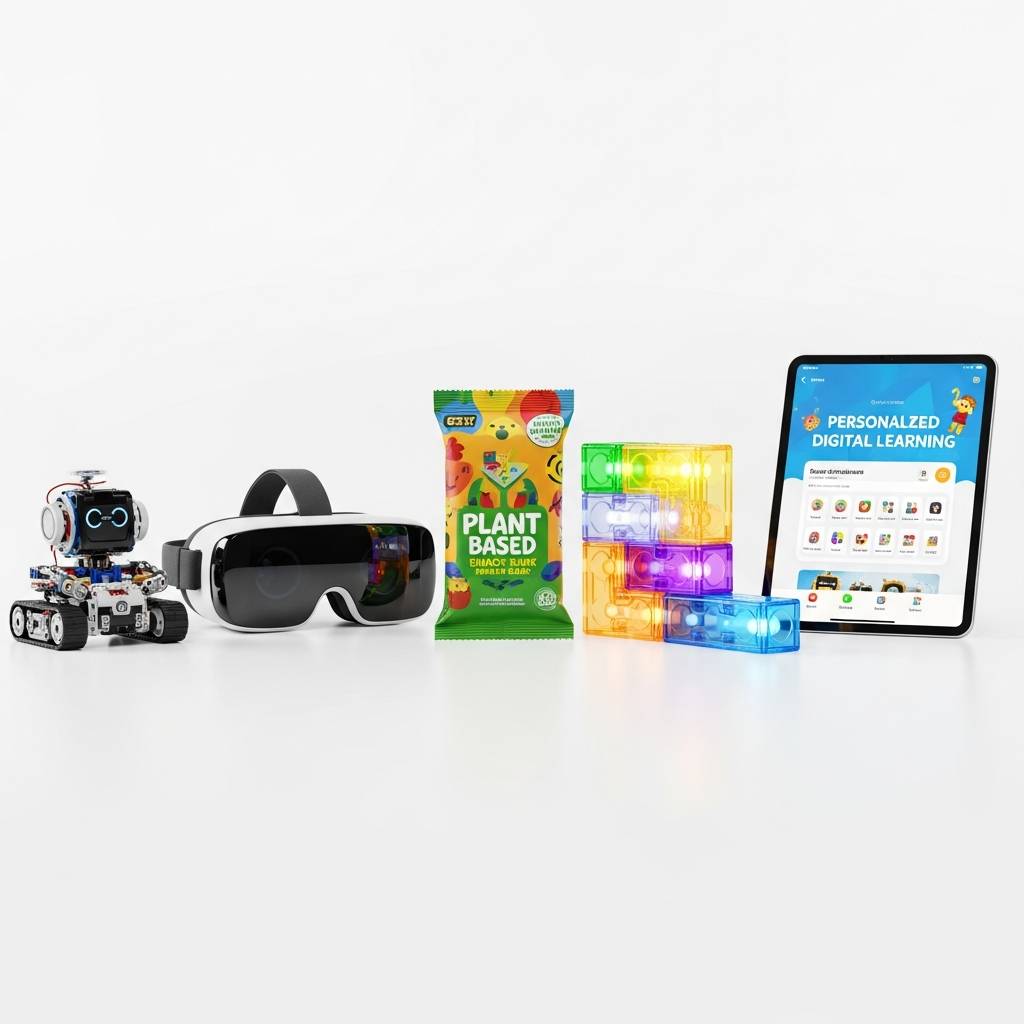
The world of childhood is a vibrant, ever-evolving landscape, constantly shaped by new technologies, changing societal values, and the boundless imagination of young minds. For parents, educators, and anyone involved in the children’s industry, understanding these shifts is not just beneficial—it’s essential. Staying abreast of the latest **Kids Trends** allows us to better support their development, foster their creativity, and provide them with the tools they need to thrive in a rapidly changing future. This comprehensive guide will explore five essential breakthroughs defining the current landscape of childhood, offering insights into what’s capturing the hearts and minds of children today.
From digital playgrounds to eco-conscious choices and a deeper focus on emotional intelligence, the modern child’s world is rich with innovation. We’ll delve into how technology is reshaping learning and play, the growing importance of sustainability, and the critical emphasis on well-being. By examining these pivotal **Kids Trends**, we can gain a clearer picture of the forces at play and how best to navigate them to create meaningful experiences for the next generation.
Unpacking the Latest Kids Trends in Digital Engagement
The digital realm is no longer just an add-on to childhood; it’s an integrated part of their daily lives. Today’s children are digital natives, and their interaction with technology is profoundly influencing their play, learning, and social development. Understanding these specific **Kids Trends** in digital engagement is crucial for parents and educators alike.
The Rise of Educational Tech and Gamified Learning
One of the most significant **Kids Trends** is the explosion of educational technology that transforms learning into an engaging adventure. Interactive apps, STEM kits, and coding games are no longer niche products but mainstream tools. These resources leverage gamification principles to make complex subjects accessible and enjoyable for young learners.
Children are now learning foundational coding skills through playful interfaces, exploring science concepts with augmented reality, and mastering math through captivating challenges. This approach not only boosts academic performance but also cultivates critical thinking, problem-solving abilities, and a love for continuous discovery. The integration of digital tools enhances traditional learning methods, creating a dynamic educational experience. Imagine a child using an educational tablet app to explore the solar system, making learning both immersive and fun. 
Safe Social Spaces and Creator Culture
While concerns about screen time persist, there’s a parallel development in creating safe, moderated digital spaces specifically for children. These platforms allow kids to connect, share their creations, and express themselves in environments designed with their safety in mind. This fosters a burgeoning “creator culture” among young people.
From kid-friendly video platforms where they can share their own stories and animation to collaborative creative apps that encourage peer interaction, children are becoming active participants rather than just passive consumers. These spaces, often with robust parental controls and content moderation, teach digital literacy, responsible online behavior, and provide avenues for creative expression. It’s a key part of modern **Kids Trends**, reflecting their innate desire to connect and create.
Sustainable Play: Eco-Conscious Kids Trends
As environmental awareness grows globally, it’s naturally influencing the choices parents make for their children and, consequently, the products available on the market. Sustainability is becoming a cornerstone of many modern **Kids Trends**, reflecting a collective desire for a healthier planet.
The Boom in Eco-Friendly Toys and Apparel
Parents are increasingly seeking out toys and apparel that align with their environmental values. This has led to a significant boom in products made from recycled materials, sustainably sourced wood, organic cotton, and other natural fibers. Ethical production practices and reduced carbon footprints are also major considerations.
Wooden toys, once seen as old-fashioned, are making a strong comeback, valued for their durability, safety, and biodegradability. Organic clothing brands for children are thriving, emphasizing comfort, non-toxic dyes, and fair labor practices. These choices not only benefit the environment but also expose children to the concept of responsible consumption from an early age, making them a powerful force in current **Kids Trends**.
Nature-Based Learning and Outdoor Adventures
Counterbalancing the digital surge, there’s a strong resurgence in nature-based learning and outdoor exploration. This **Kids Trends** emphasizes the importance of connecting with the natural world, promoting physical activity, and fostering a sense of wonder and curiosity about the environment.
Forest schools, outdoor adventure camps, and even simple gardening kits for kids are gaining immense popularity. These activities encourage children to engage their senses, develop gross motor skills, and learn through direct experience with nature. Reducing screen time and increasing outdoor play has well-documented benefits for physical health, mental well-being, and cognitive development. It’s a vital internal link: The Benefits of Outdoor Play for Child Development.
Emotional Intelligence and Holistic Well-being Kids Trends
Beyond academic achievement and physical health, there’s a growing recognition of the importance of emotional intelligence and holistic well-being in children’s development. These **Kids Trends** focus on nurturing the whole child, equipping them with essential life skills.
Mindfulness and SEL (Social-Emotional Learning) Integration
Programs and resources aimed at developing social-emotional learning (SEL) skills are becoming mainstream, both at home and in schools. This includes teaching children how to identify and manage their emotions, develop empathy, set goals, and build healthy relationships. Mindfulness practices, once primarily for adults, are now being adapted for younger audiences.
Apps offering guided meditations for kids, books that explore complex emotions, and school curricula integrating SEL lessons are all part of this significant shift. These initiatives help children build resilience, cope with stress, and navigate the challenges of growing up with greater self-awareness. It’s a crucial aspect of promoting positive **Kids Trends** for mental health.
Personalized Learning and Diverse Representation
The concept of personalized learning, tailoring educational experiences to individual needs and styles, is gaining traction. This acknowledges that every child learns differently and benefits from approaches that cater to their unique strengths and challenges. This customization extends beyond traditional academics into all aspects of their development.
Coupled with this is a powerful demand for diverse representation in toys, books, and media. Children need to see themselves reflected in the world around them, and also learn about others from different backgrounds. This fosters inclusivity, builds self-esteem, and cultivates a broader understanding of the world. It’s an important internal link: Choosing Diverse Books for Children.
The Future of Play: Interactive & Immersive Kids Trends
Innovation continues to push the boundaries of what play can be, creating interactive and immersive experiences that blend the physical and digital worlds. These emerging **Kids Trends** offer exciting new avenues for learning and entertainment.
Augmented Reality (AR) and Virtual Reality (VR) in Play
Augmented Reality (AR) and Virtual Reality (VR) are no longer just for adults; they are increasingly being integrated into children’s play and educational tools. AR, which overlays digital images onto the real world, can transform a coloring book into an animated story or bring dinosaurs to life in a living room. VR offers fully immersive experiences, transporting children to fantastical worlds or historical events.
These technologies provide new dimensions for storytelling, exploration, and hands-on learning, making abstract concepts tangible and engaging. While careful consideration of screen time and content suitability is necessary, AR and VR represent a frontier in how children will interact with information and entertainment. These immersive **Kids Trends** promise to redefine imaginative play.
Smart Toys and AI Companions
The evolution of smart toys and AI companions is another fascinating development. These toys are designed to learn, adapt, and interact with children in increasingly sophisticated ways. From robots that teach coding through play to interactive storytellers that personalize narratives, AI is making toys more responsive and dynamic.
These intelligent companions can offer personalized learning support, engage children in conversation, and even help develop social skills. As with any advanced technology, discussions around data privacy, ethical AI design, and balancing human interaction with technological engagement are paramount. This exciting area of **Kids Trends** will continue to evolve rapidly. For more information, consider external research: Research on AI in Early Childhood Education.
The Influence of Gen Alpha on Kids Trends
Gen Alpha, generally defined as those born from 2010 onwards, are the first generation to be entirely born in the 21st century. Their unique experiences as digital natives are profoundly shaping many **Kids Trends** and influencing the world around them.
Digital Natives Shaping Consumption and Communication
Having grown up with tablets, smartphones, and on-demand content, Gen Alpha possesses an intuitive understanding of digital interfaces and networked communication. This innate digital fluency means they expect seamless, interactive, and personalized experiences in everything from toys to educational content.
Their consumption habits are driven by authenticity, visual appeal, and the ability to customize. They are not just consumers but active participants, often influencing family purchasing decisions and setting new benchmarks for what is considered engaging or relevant. Understanding their digital native perspective is key to predicting future **Kids Trends**.
Entrepreneurial Spirit and Creative Expression
Gen Alpha is also demonstrating a remarkable entrepreneurial spirit and a strong drive for creative expression. Empowered by accessible digital tools, many children are creating their own content, designing games, or even launching early ventures. They are comfortable with the idea of being creators, not just consumers.
From young YouTubers sharing their passions to kids using platforms to design virtual worlds, this generation is actively shaping their own digital landscapes. Parents and educators can nurture this spirit by providing tools, encouraging exploration, and fostering an environment where creative risks are celebrated. This emerging **Kids Trends** highlights their potential as future innovators.
Conclusion
The world of childhood is a dynamic and exciting place, constantly evolving with new innovations and shifting priorities. We’ve explored five essential **Kids Trends** that are currently shaping this landscape: the profound impact of digital engagement, the growing importance of sustainable play, a crucial focus on emotional intelligence and holistic well-being, the immersive possibilities of future play, and the unique influence of Gen Alpha. Each of these trends offers both opportunities and challenges, requiring thoughtful engagement from parents, educators, and industry leaders.
Understanding these **Kids Trends** allows us to make informed decisions that support children’s growth, happiness, and preparation for the future. By embracing educational technology, promoting eco-conscious choices, nurturing emotional intelligence, exploring immersive play, and recognizing the unique characteristics of Gen Alpha, we can create richer, more meaningful experiences for the next generation. We encourage you to delve deeper into these areas, explore new resources, and engage in conversations that help us all better serve the children in our lives. What trends are you seeing in your child’s world? Share your insights and join the discussion today!