
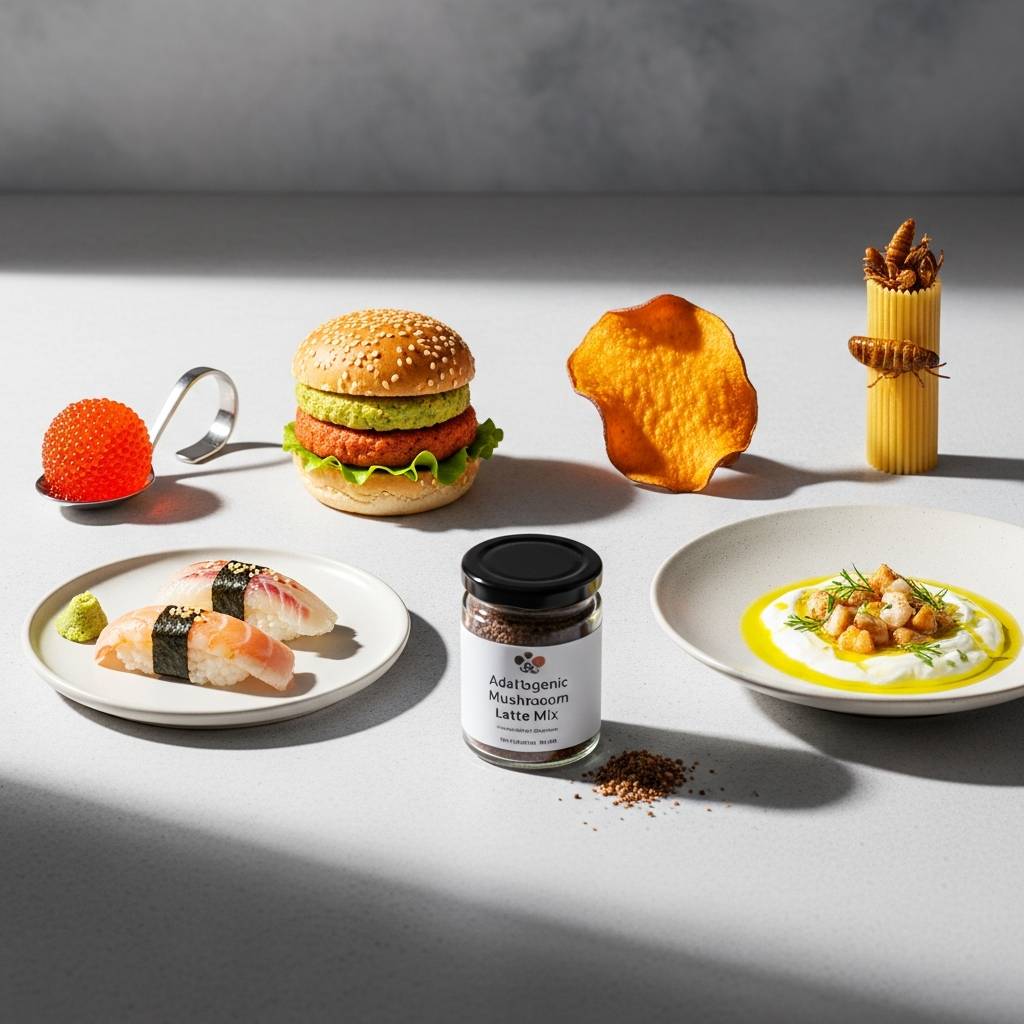
Food Trends: 7 Amazing Breakthroughs
The culinary world is a constantly evolving landscape, shaped by innovation, consumer demand, and a growing global consciousness. Staying abreast of the latest **Food Trends** isn’t just for chefs or food industry insiders; it’s essential for anyone interested in health, sustainability, and the future of our planet. From how we grow our food to what we choose to put on our plates, groundbreaking advancements are reshaping our relationship with sustenance. These shifts are driven by a convergence of technological prowess, environmental urgency, and an ever-increasing understanding of nutrition.
In this comprehensive guide, we’ll delve into seven truly amazing breakthroughs that are defining current **Food Trends**. These aren’t just fleeting fads; they represent fundamental shifts with the potential to transform our food systems for decades to come. Get ready to explore the exciting innovations that are not only tantalizing our taste buds but also paving the way for a healthier, more sustainable, and more equitable food future for everyone.
The Evolving Landscape of Food Trends
Understanding **Food Trends** is crucial because they reflect broader societal changes. Economic pressures, environmental concerns, technological advancements, and evolving health perceptions all play a significant role in what becomes popular on our dinner tables. These trends are not isolated phenomena; they often intertwine, creating a complex web of influence that impacts everything from agricultural practices to grocery store shelves and restaurant menus.
The rapid pace of innovation means that what was once science fiction is quickly becoming reality in the food sector. Consumers are more informed than ever, demanding transparency, ethical sourcing, and products that align with their values. This powerful combination of consumer push and technological pull is accelerating the development and adoption of truly transformative **Food Trends** across the globe.
Exploring Key Food Trends: 7 Amazing Breakthroughs
Let’s dive into the most significant **Food Trends** that are making waves and redefining what’s possible in the world of food and drink. These breakthroughs offer solutions to some of humanity’s most pressing challenges, from food security to chronic health conditions.
1. Personalized Nutrition: Tailoring Your Plate to Food Trends
Imagine a diet designed specifically for your unique genetic makeup, lifestyle, and health goals. This is the promise of personalized nutrition, one of the most exciting **Food Trends** emerging today. Utilizing advancements in genomics, microbiome research, and wearable technology, scientists and dietitians are now able to offer highly customized dietary recommendations.
Instead of one-size-fits-all advice, personalized nutrition considers individual biomarkers, DNA, and even gut bacteria composition to suggest optimal food choices. This approach can help prevent diseases, improve athletic performance, and manage weight more effectively. Companies are now offering at-home testing kits that provide insights into how your body processes different nutrients, allowing for truly bespoke meal plans. This shift towards hyper-individualized eating is a major development in **Food Trends** for health and wellness. (Image alt text: “Personalized nutrition plans based on individual Food Trends and genetic data.”)
2. Cellular Agriculture: The Future of Protein in Food Trends
Perhaps one of the most revolutionary **Food Trends** is cellular agriculture, which involves producing animal products directly from cell cultures rather than raising and slaughtering animals. This includes cultivated meat, dairy, and even seafood. Scientists are able to grow muscle and fat cells in bioreactors, resulting in products that are biologically identical to their traditionally farmed counterparts.
The benefits are profound: significantly reduced environmental impact (less land, water, and greenhouse gas emissions), elimination of antibiotics and hormones, and potentially greater food safety. While still in its early stages of commercialization, cultivated meat is poised to disrupt the global protein market and offers a sustainable solution to feeding a growing population. This technology represents a monumental shift in how we think about food production and is a leading edge among current **Food Trends**. (Image alt text: “Cellular agriculture lab growing cultivated meat, a key player in new Food Trends.”)
3. Upcycled Foods: Waste Not, Want Not in Food Trends
Food waste is a global crisis, with an estimated one-third of all food produced for human consumption going to waste annually [External Link: FAO Report on Food Waste]. One of the most ingenious **Food Trends** addressing this issue is the rise of upcycled foods. This involves transforming ingredients that would otherwise be discarded into new, high-quality food products.
Examples include turning brewers’ spent grain into high-fiber flour, using fruit pulp from juice production to make healthy snacks, or transforming imperfect vegetables into delicious soups and sauces. The Upcycled Food Association is standardizing definitions and certifications, helping consumers identify these innovative products. This trend not only combats food waste but also creates economic opportunities and reduces the environmental footprint of our food system, making it a critical aspect of sustainable **Food Trends**. (Image alt text: “Assortment of upcycled food products, showcasing sustainable Food Trends.”)
4. AI and Robotics: Revolutionizing Food Operations and Food Trends
Artificial intelligence (AI) and robotics are no longer confined to manufacturing plants; they are rapidly becoming integral to the food industry, shaping new **Food Trends**. From precision agriculture on farms to automated kitchens and smart supply chains, these technologies are enhancing efficiency, reducing labor costs, and improving food safety.
AI algorithms can optimize crop yields, predict consumer demand, and even design new recipes. Robotics are being deployed in harvesting, food processing, and even preparing meals in restaurants, leading to greater consistency and speed. These innovations promise to streamline operations, reduce waste, and make food more accessible and affordable. The integration of AI and robotics is a powerful force driving many modern **Food Trends**. (Image alt text: “Robotic arm preparing food in a kitchen, an example of tech-driven Food Trends.”)
5. Sustainable Packaging Innovations for Food Trends
As concerns about plastic pollution intensify, sustainable packaging has become a major focus within **Food Trends**. Innovators are developing a wide array of environmentally friendly alternatives to traditional plastics, ranging from biodegradable materials to edible packaging.
This includes packaging made from plant-based polymers, compostable materials derived from fungi or algae, and even dissolvable films. Some companies are experimenting with refillable systems and packaging designs that minimize material use. The goal is to reduce waste, lower carbon footprints, and ensure that packaging doesn’t harm our planet. This commitment to eco-friendly solutions is a defining characteristic of responsible **Food Trends**. (Image alt text: “Various types of sustainable food packaging, reflecting current Food Trends.”)
6. Functional Foods and Bioactive Ingredients: Wellness Food Trends
Consumers are increasingly seeking foods that offer more than just basic nutrition; they want functional benefits that support overall health and well-being. This has led to a boom in functional foods and the incorporation of bioactive ingredients, a key area in current **Food Trends**. These are foods or ingredients that provide specific health advantages beyond their basic nutritional value.
Examples include probiotics and prebiotics for gut health, adaptogens like ashwagandha for stress reduction, nootropics for cognitive enhancement, and ingredients fortified with vitamins, minerals, or omega-3 fatty acids. From fortified yogurts to enriched beverages and specialized snack bars, these products cater to a proactive approach to health. This emphasis on wellness and preventative health is a powerful driver behind many emerging **Food Trends**. (Image alt text: “Smoothie bowl with various functional food ingredients, highlighting health-focused Food Trends.”)
7. Novel Alternative Proteins: Beyond the Usual Suspects in Food Trends
While plant-based proteins like soy and pea have become mainstream, the search for even more sustainable and diverse protein sources continues to drive **Food Trends**. This category explores novel alternatives that go beyond traditional options, offering new textures, flavors, and nutritional profiles.
These include proteins derived from fungi (like mycelium-based products), algae (such as spirulina and chlorella), and even insects (crickets, mealworms). Precision fermentation is also being used to create animal-free dairy proteins and egg whites. These innovative proteins offer significant environmental advantages and contribute to a more resilient and diverse food supply, positioning them at the forefront of future **Food Trends**. (Image alt text: “Various novel protein sources like fungi and algae, indicating new Food Trends.”)
The Impact of These Food Trends on Our Future
The **Food Trends** we’ve explored are not merely fleeting fads; they represent fundamental shifts with far-reaching implications. Individually, each breakthrough addresses specific challenges, but collectively, they paint a picture of a food system undergoing a profound transformation. These innovations promise to enhance sustainability, improve public health, reduce waste, and increase the efficiency of food production.
From personalized diets that cater to our unique biological needs to proteins grown in labs and intelligent systems managing our food supply, the future of food is exciting and full of potential. These **Food Trends** are driven by a collective desire for a healthier planet and healthier people, pushing the boundaries of what we thought was possible in food science and technology. The journey towards a more sustainable and equitable food future is well underway, powered by these amazing breakthroughs.
Conclusion
The world of food is in a constant state of flux, and the current **Food Trends** reveal a landscape teeming with innovation and purpose. From the personalized plates crafted by nutrigenomics to the sustainable proteins cultivated in bioreactors, and from the ingenious upcycling of waste to the integration of AI in our kitchens, these seven breakthroughs are fundamentally reshaping how we eat and interact with our food.
These aren’t just incremental changes; they are paradigm shifts designed to tackle critical global issues like food security, environmental degradation, and public health. By embracing these **Food Trends**, we are moving towards a future where food is not only delicious and nourishing but also produced ethically, sustainably, and intelligently. What **Food Trends** are you most excited to see evolve? Share your thoughts and be part of the conversation shaping the future of food!