
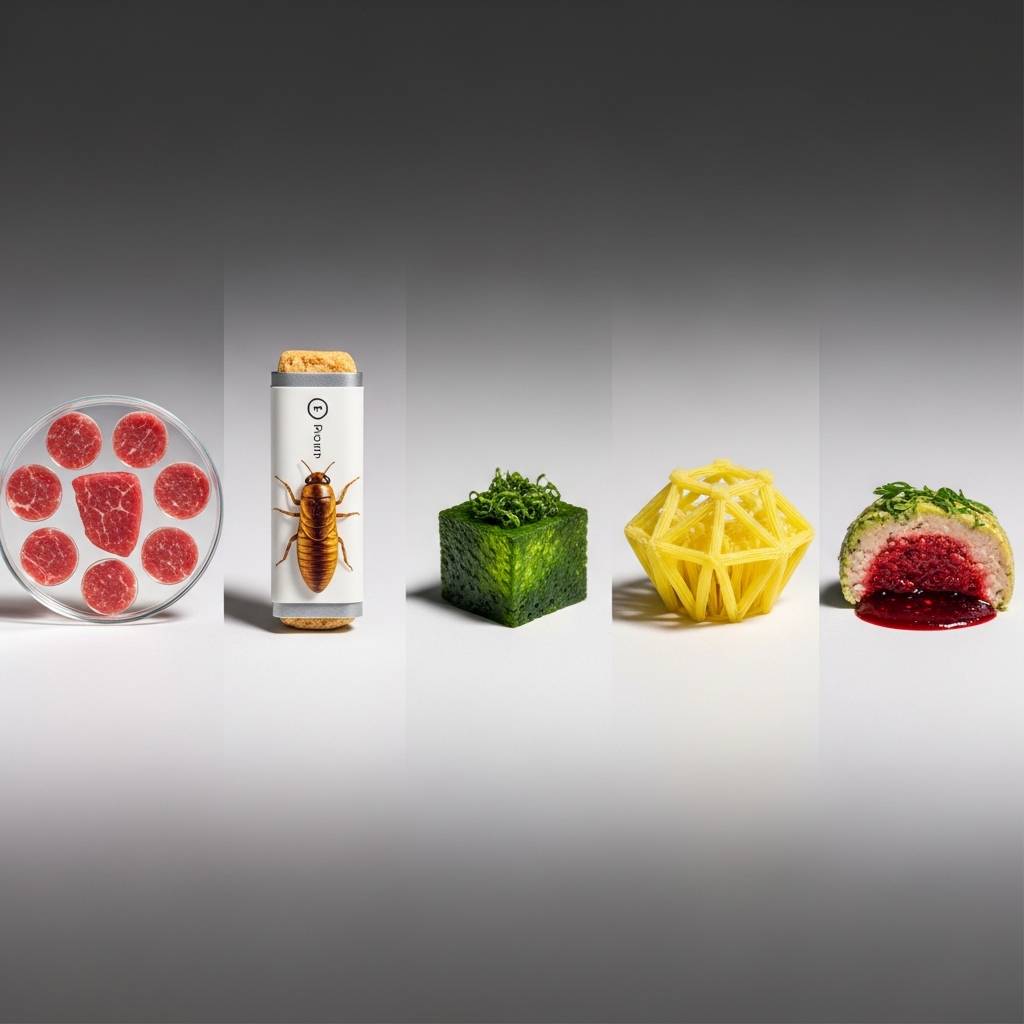
Welcome to the dynamic world of culinary innovation and dietary advancements! In an era where what we eat directly impacts our health, our planet, and our future, staying informed is more crucial than ever. This is where **Food News** plays an indispensable role, providing us with timely updates on the breakthroughs shaping our plates and our lives.
From revolutionary protein sources to cutting-edge preservation techniques, the food industry is currently experiencing an unprecedented wave of transformation. These developments aren’t just fascinating; they hold the key to addressing global challenges like food security, sustainability, and chronic diseases. Join us as we explore five essential breakthroughs in **Food News** that you absolutely need to know about right now.
Sustainable Protein Alternatives Revolutionizing Food News
The quest for sustainable protein sources has long been a focal point in global **Food News**, driven by growing environmental concerns and an increasing global population. Traditional animal agriculture places significant strain on our planet’s resources, prompting innovators to seek more eco-friendly and efficient alternatives. This sector is witnessing rapid growth and ingenuity, offering exciting prospects for the future of food.
These alternatives are not merely niche products; they are becoming mainstream staples, influencing consumer choices and reshaping supply chains worldwide. The impact extends beyond environmental benefits, touching upon ethical considerations and public health, making this a pivotal area of ongoing **Food News** discussion.
The Rise of Plant-Based Meats
Plant-based meats have transitioned from health food store curiosities to supermarket sensations, dominating a significant portion of recent **Food News**. Brands like Beyond Meat and Impossible Foods have perfected products that mimic the taste, texture, and cooking experience of traditional meat, appealing to a broad demographic beyond just vegetarians and vegans. These innovations utilize ingredients such as pea protein, soy, and various plant oils to create convincing substitutes.
The market for plant-based alternatives is booming, projected to reach hundreds of billions of dollars in the coming decade, according to market research by Bloomberg Intelligence. This growth is fueled by consumer demand for healthier options and a greater awareness of the environmental footprint associated with meat production. For more insights into sustainable eating, check out our recent post on Making Sustainable Food Choices.
(Image: Plant-based burger, Alt text: Delicious plant-based burger representing the latest Food News in sustainable eating)
Cultivated Meat: A Glimpse into the Future of Food News
Perhaps the most futuristic item in current **Food News** is cultivated meat, also known as lab-grown or cell-based meat. This technology involves growing animal cells in bioreactors, producing real meat without the need to raise and slaughter livestock. Companies like Upside Foods and Mosa Meat are at the forefront of this groundbreaking research, aiming to scale production and bring these products to market.
While still in its early stages and facing regulatory hurdles, cultivated meat promises to drastically reduce land and water usage, greenhouse gas emissions, and the risk of zoonotic diseases. A study published in Environmental Science & Technology indicates that cultivated meat could reduce land use by 99% and greenhouse gas emissions by up to 96% compared to conventional beef. This represents a monumental shift, poised to redefine how we think about meat production and consumption, and is a constant subject in cutting-edge **Food News** reports.
Personalized Nutrition: Tailoring Our Plates
The concept of a one-size-fits-all diet is rapidly becoming outdated, with personalized nutrition emerging as a key trend in **Food News**. Advances in genomics, metabolomics, and wearable technology are allowing us to understand individual dietary needs at an unprecedented level. This tailored approach promises more effective health outcomes and a deeper connection to our food choices.
Instead of generic recommendations, personalized nutrition considers a person’s unique genetic makeup, lifestyle, gut microbiome, and health goals. This shift is empowering individuals to optimize their diets for peak performance, disease prevention, and overall well-being. It’s a transformative area of **Food News** that holds immense potential for public health.
Genetic Testing and Dietary Recommendations
Genetic testing kits are now widely available, offering insights into how an individual’s DNA influences their metabolism, nutrient absorption, and predisposition to certain conditions. This information can then be used to craft highly specific dietary recommendations. For example, some people might be genetically predisposed to process carbohydrates differently, or require higher amounts of certain vitamins.
While still a developing field, the integration of genetic data into nutritional advice is a significant piece of **Food News**. Companies are developing platforms that combine DNA analysis with lifestyle factors to provide actionable dietary plans. This precision allows for dietary adjustments that are far more effective than general guidelines, moving us towards truly individualized health strategies.
Microbiome-Focused Diets
Our gut microbiome, the vast community of microorganisms living in our digestive tract, plays a critical role in digestion, immunity, and even mood. Recent **Food News** has highlighted the profound impact of diet on the composition and function of this internal ecosystem. Understanding an individual’s unique microbiome profile can lead to highly targeted dietary interventions.
Companies are now offering microbiome testing services that analyze gut bacteria and provide recommendations for specific prebiotics and probiotics, or foods to include or avoid. This approach aims to cultivate a healthy, diverse gut flora, which can improve everything from digestive health to mental clarity. The potential for microbiome-based dietary interventions is a hot topic in scientific **Food News** and promises to revolutionize our understanding of health.
Advanced Food Preservation and Safety Innovations
Reducing food waste and ensuring food safety are perennial challenges that constantly feature in global **Food News**. Every year, billions of pounds of food are lost post-harvest or go to waste in homes, contributing to economic losses and environmental burden. Simultaneously, maintaining the integrity of the food supply chain is paramount to public health. Fortunately, innovative solutions are emerging to tackle these critical issues.
These advancements leverage cutting-edge technology to extend shelf life, monitor freshness, and track food products from farm to fork. The goal is to minimize spoilage, prevent contamination, and build greater consumer trust in the food they purchase. This area of **Food News** is vital for a sustainable and secure food system.
Smart Packaging for Extended Shelf Life
Beyond traditional packaging, ‘smart’ or ‘active’ packaging is revolutionizing food preservation, frequently reported in relevant **Food News**. These intelligent materials can do more than just contain food; they can actively interact with it to extend freshness. Examples include packaging that absorbs ethylene gas (a ripening hormone), releases antimicrobial agents, or changes color to indicate spoilage.
Edible coatings made from natural proteins or polysaccharides also fall into this category, forming a protective barrier around fresh produce. These innovations significantly reduce food waste by prolonging the usability of perishable goods, benefiting both consumers and the environment. This is a practical and impactful piece of **Food News** that is already making a difference.
(Image: Smart food packaging, Alt text: Innovative smart packaging extending the shelf life of produce, a key Food News item)
AI and Blockchain in Food Supply Chains
The digitization of the food supply chain is a massive area of **Food News**, with artificial intelligence (AI) and blockchain technology leading the charge. AI can predict demand, optimize logistics, and monitor environmental conditions during transit, thereby reducing spoilage and improving efficiency. AI-powered sensors can detect contaminants or quality issues in real-time.
Blockchain technology offers unprecedented transparency and traceability. Each step of a food product’s journey, from farm to processor to retailer, can be recorded on an immutable ledger. This means that in the event of a foodborne illness outbreak, the source can be identified within minutes, not days, significantly enhancing food safety and consumer confidence. This transformative application is often highlighted in business-focused **Food News** reports.
Vertical Farming and Urban Agriculture: Fresh Food News Closer to Home
As urban populations expand and arable land becomes scarcer, the concept of growing food in cities is gaining significant traction, becoming a regular feature in environmental **Food News**. Vertical farming and urban agriculture represent a paradigm shift in food production, moving it closer to consumption centers and reducing the environmental footprint of transportation.
These innovative farming methods address critical issues such as resource efficiency, food accessibility, and freshness. They promise to transform barren cityscapes into productive food hubs, offering a sustainable model for feeding future generations. This area of **Food News** is particularly exciting for metropolitan areas.
Efficiency and Environmental Benefits
Vertical farms cultivate crops in vertically stacked layers, often indoors and in controlled environments. This method allows for year-round production, regardless of external climate conditions. A major benefit, frequently discussed in agricultural **Food News**, is the dramatic reduction in water usage, often up to 95% less than traditional farming, through recirculating hydroponic or aeroponic systems.
Furthermore, vertical farms require significantly less land and eliminate the need for pesticides and herbicides. By locating these farms in urban centers, transportation costs and associated carbon emissions are drastically cut, delivering fresher produce to consumers with a much smaller environmental impact. This efficiency makes vertical farming a cornerstone of sustainable **Food News**.
Expanding Access to Fresh Produce
Urban agriculture, encompassing community gardens, rooftop farms, and smaller vertical farms, plays a crucial role in improving food access in underserved communities. These initiatives bring fresh, nutritious produce to residents who might otherwise live in food deserts, where healthy options are scarce. This social aspect is a vital part of the broader **Food News** narrative on food justice.
By shortening the supply chain, urban farms can deliver produce that is picked at peak ripeness and consumed within hours, maximizing nutritional value and flavor. This direct connection between grower and consumer fosters local economies and strengthens community bonds. The expansion of urban agriculture is a positive trend in **Food News** for both health and community development.
Gut Health and Fermented Foods: A Major Food News Trend
The intricate relationship between our gut and overall health has moved from the fringes of scientific research to the forefront of mainstream **Food News**. Our gut microbiome, a complex ecosystem of bacteria, fungi, and viruses, profoundly influences everything from digestion and immunity to mental health. This understanding has propelled fermented foods back into the spotlight, recognizing their ancient wisdom through a modern scientific lens.
These foods, rich in beneficial microorganisms, are celebrated not just for their unique flavors but for their potential to foster a healthier gut. The renewed interest in fermented products represents a significant and delicious trend in recent **Food News** and dietary advice.
The Microbiome-Brain Axis
One of the most compelling pieces of **Food News** regarding gut health is the concept of the microbiome-brain axis. Emerging research indicates a bidirectional communication pathway between the gut and the brain, suggesting that the state of our gut microbiome can influence mood, cognitive function, and even susceptibility to neurological disorders. This connection highlights the holistic impact of diet.
A balanced and diverse gut microbiome is increasingly linked to reduced anxiety, improved stress response, and better overall mental well-being. This understanding underscores why dietary choices, particularly those involving gut-friendly foods, are so critical for comprehensive health. This is a fascinating and evolving area of scientific **Food News**.
(Image: Assortment of fermented foods, Alt text: Diverse assortment of fermented foods promoting gut health, a popular Food News topic)
Ancient Practices, Modern Science
Fermentation is an ancient food preservation technique, practiced across cultures for millennia to create foods like kimchi, sauerkraut, yogurt, kefir, and kombucha. Modern science is now validating the health benefits traditionally attributed to these foods, making them a recurring feature in health-focused **Food News**.
These foods introduce beneficial probiotics to the gut, which can help rebalance the microbiome, improve digestion, and boost the immune system. Beyond probiotics, the fermentation process can also enhance the bioavailability of certain nutrients and create new beneficial compounds. Integrating these time-honored foods into a modern diet is a simple yet powerful way to support gut health, as often recommended in dietary **Food News** segments.
Conclusion: Staying Ahead with Essential Food News
The world of food is in a constant state of evolution, driven by innovation, necessity, and a growing global consciousness. From the revolutionary promise of sustainable protein alternatives and the precision of personalized nutrition to the critical advancements in food safety and the localized benefits of urban agriculture, these five breakthroughs are fundamentally reshaping our relationship with what we eat. The resurgence of interest in gut health and fermented foods further underscores our return to foundational wellness through diet.
Staying informed about these developments is not just for industry insiders; it’s for everyone who eats. By keeping up with the latest **Food News**, we can make more informed choices for our health, support sustainable practices, and contribute to a more resilient and equitable food system for all. The future of food is exciting, complex, and full of potential.
What breakthrough are you most excited about? Share your thoughts in the comments below, and don’t forget to subscribe to our newsletter for more cutting-edge **Food News** and insights delivered directly to your inbox!