
**Title: 5 Amazing Food Trends You Must Know**
The culinary world is a vibrant, ever-evolving landscape, constantly shaped by innovation, changing consumer preferences, and global influences. Staying abreast of the latest **Food Trends** is not just for chefs and restaurateurs; it’s essential for anyone who eats, cooks, or simply enjoys exploring new flavors and healthy options. Understanding these shifts helps us make informed choices about what we consume, how we shop, and even how we connect with our communities. From sustainable practices to personalized nutrition, the current wave of culinary innovation is exciting and impactful.
In this comprehensive guide, we’ll dive deep into five of the most compelling and transformative **Food Trends** sweeping across kitchens and dining tables today. These aren’t just fleeting fads; they represent significant shifts in how we approach food, driven by health consciousness, environmental concerns, and a desire for authentic, diverse experiences. Prepare to discover what’s hot, what’s healthy, and what’s driving the future of food.
Embracing Plant-Based Innovations: A Major Shift in Food Trends
One of the most powerful and enduring **Food Trends** of our time is the widespread adoption and innovation within plant-based eating. What began as a niche dietary choice has blossomed into a mainstream movement, driven by ethical considerations, environmental awareness, and a growing understanding of the health benefits associated with reducing meat consumption. This trend isn’t just about veganism; it encompasses flexitarianism, vegetarianism, and simply incorporating more plant-based meals into one’s diet.
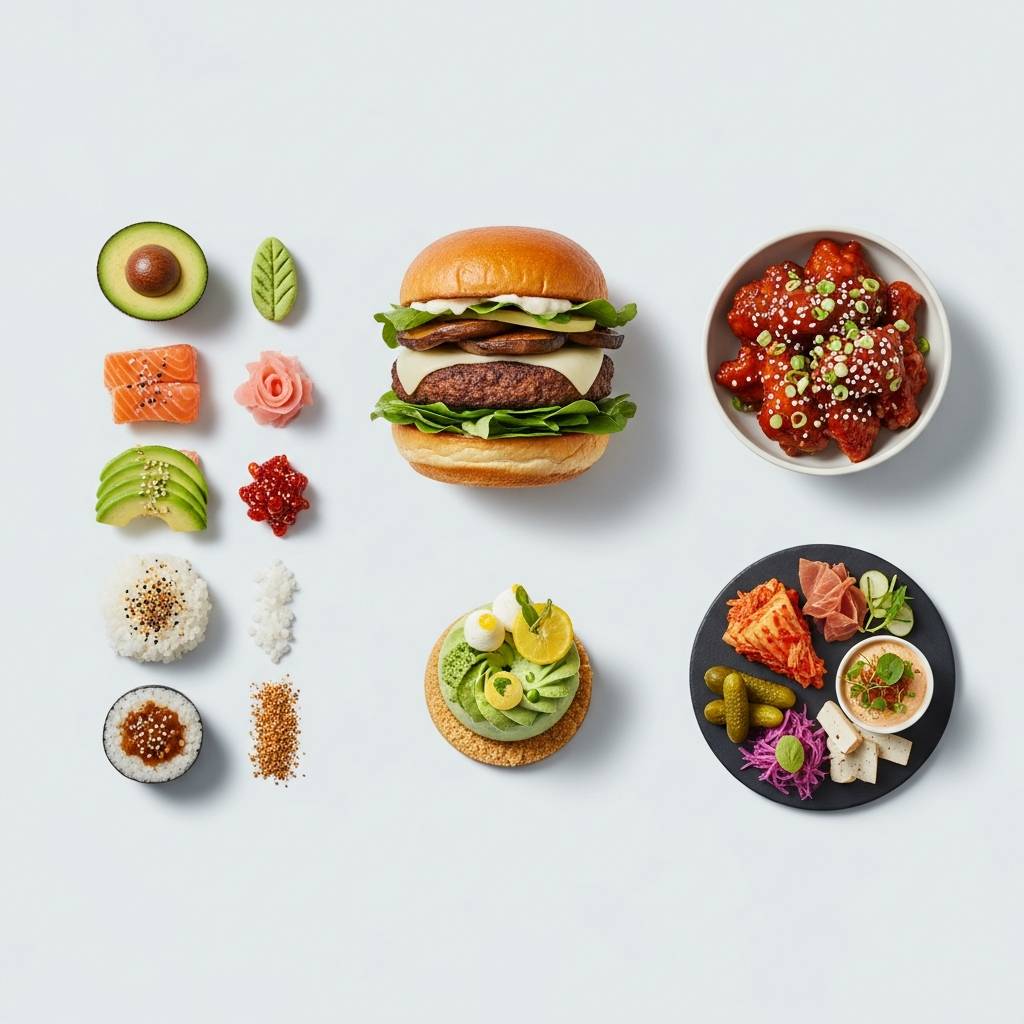
The market for plant-based alternatives has exploded, offering everything from plant-based burgers that mimic the taste and texture of meat to dairy-free cheeses, milks, and yogurts made from nuts, oats, and soy. Beyond these direct replacements, there’s a renewed focus on whole, unprocessed plant foods – ancient grains, vibrant legumes, and a rainbow of fruits and vegetables. Consumers are actively seeking out these options, leading to significant growth in grocery store aisles and restaurant menus alike. Image: A vibrant plant-based burger with various toppings. alt: Food Trends – Plant-based burger innovation
The Rise of “Alt-Meat” and Dairy Alternatives in Food Trends
The science behind “alt-meat” products has advanced dramatically, creating incredibly convincing alternatives that appeal even to dedicated meat-eaters. Brands like Beyond Meat and Impossible Foods have revolutionized the industry, making plant-based proteins accessible and appealing to a broader audience. These innovations address concerns about sustainability, animal welfare, and health, offering a compelling alternative to traditional animal agriculture. This segment is a cornerstone of current **Food Trends**.
Similarly, the dairy-free sector continues to innovate, with new bases like potato milk and even fungi-derived proteins entering the market alongside established oat, almond, and soy options. These alternatives cater to lactose intolerance, allergies, and ethical choices, providing consumers with an unprecedented array of choices for their coffee, cereals, and cooking. The versatility and flavor profiles of these products are continually improving, making them indispensable in modern kitchens. Many food industry reports highlight the sustained growth in this area.
Sustainable and Ethical Sourcing: A Core Aspect of Food Trends
Beyond just being plant-based, consumers are increasingly concerned with where their food comes from and its environmental footprint. This extends to how ingredients are grown, harvested, and transported. Organic, locally sourced, and fair-trade certifications are becoming more important indicators of quality and ethical responsibility. This demand for transparency is shaping agricultural practices and supply chains globally, making it a critical part of current **Food Trends**.
Restaurants and food manufacturers are responding by highlighting their commitment to sustainable sourcing, often partnering directly with local farmers or investing in eco-friendly packaging. The desire to minimize waste, conserve resources, and support ethical labor practices is profoundly influencing purchasing decisions. This holistic approach to food consumption reflects a deeper connection between our plates and the planet, underscoring the importance of responsible choices in the realm of **Food Trends**.
Personalized Nutrition and Functional Foods: Tailoring Your Plate
Gone are the days of one-size-fits-all dietary advice. Another significant wave in **Food Trends** is the move towards personalized nutrition, where dietary recommendations are tailored to an individual’s unique genetic makeup, lifestyle, and health goals. This isn’t just about avoiding allergens; it’s about optimizing health through precision eating, often supported by scientific data and advanced diagnostics. Consumers are more educated and proactive about their health than ever before.
Alongside personalization, functional foods are gaining immense popularity. These are foods that offer health benefits beyond basic nutrition, often containing added vitamins, minerals, probiotics, prebiotics, or other beneficial compounds. Think probiotic yogurts, omega-3 enriched eggs, or gut-friendly fermented foods. The focus is on proactive wellness and using food as medicine, a key driver in current **Food Trends** discussions. Image: A variety of colorful fruits and vegetables, some labeled with their functional benefits. alt: Food Trends – Personalized nutrition and functional foods
The Role of Gut Health in Modern Food Trends
The understanding of the gut microbiome’s profound impact on overall health – from digestion and immunity to mood and cognitive function – has propelled gut-friendly foods to the forefront. Fermented foods like kimchi, sauerkraut, kombucha, and kefir are celebrated for their probiotic content, which supports a healthy gut flora. Prebiotic foods, such as garlic, onions, and bananas, which feed beneficial gut bacteria, are also highly valued. This focus on gut health is a cornerstone of current **Food Trends** in wellness.
Many health experts now emphasize a diverse, plant-rich diet as the best way to nurture a healthy gut. Companies are developing new products specifically designed to support digestive wellness, from specialized supplements to fortified food items. This area represents a significant shift in how we view the relationship between food and internal well-being. For more insights into digestive health, you might want to explore articles on our blog about microbiome science.
Wearable Tech and Dietary Insights: Revolutionizing Food Trends
The convergence of technology and nutrition is enabling unprecedented levels of personalization. Wearable devices, at-home testing kits for DNA and gut microbiome analysis, and AI-powered apps are helping individuals understand their unique nutritional needs. These tools provide insights into how specific foods affect blood sugar, energy levels, and even sleep, allowing for highly customized meal planning. This data-driven approach is truly reshaping **Food Trends**.
Nutritionists and dietitians are increasingly using these tools to offer more precise guidance, moving beyond generic advice to create truly individualized plans. This empowers consumers to take a more active role in managing their health, leading to better outcomes and a more intuitive relationship with food. The future of personalized eating is bright, promising even more sophisticated ways to tailor our diets for optimal health, reflecting the innovative spirit of modern **Food Trends**.
Global Flavors and Culinary Exploration: Expanding Our Palates
Our palates are becoming more adventurous, and the demand for authentic global flavors is another dominant force among current **Food Trends**. Thanks to increased travel, digital connectivity, and diverse communities, consumers are eager to explore cuisines beyond their traditional comfort zones. This isn’t just about fusion; it’s about appreciating the unique ingredients, techniques, and cultural stories behind dishes from around the world. The world is truly shrinking on our plates.
From the vibrant street food of Southeast Asia to the comforting stews of West Africa and the intricate spices of the Middle East, authentic regional dishes are finding their way into home kitchens and restaurant menus. This trend is fueled by a desire for novelty, cultural immersion, and a rejection of monotonous eating. It encourages culinary exploration and celebrates the rich tapestry of human gastronomy, making global flavors a vibrant part of modern **Food Trends**. Image: A colorful spread of various international dishes. alt: Food Trends – Global culinary exploration
The Influence of Social Media on Global Food Trends
Platforms like Instagram, TikTok, and YouTube have become powerful engines for disseminating global **Food Trends**. Food bloggers, home cooks, and professional chefs share recipes, cooking tutorials, and dining experiences from every corner of the globe. A dish can go viral overnight, sparking widespread interest and demand for specific ingredients or culinary styles. This digital sharing accelerates the adoption of new flavors and techniques.
This digital influence also fosters a sense of community among food enthusiasts, allowing them to connect over shared culinary passions. It demystifies complex dishes and encourages experimentation, making previously exotic ingredients more accessible. The visual appeal of food on social media drives curiosity and a desire to try new things, making it a critical factor in shaping contemporary **Food Trends** and tastes.
Exploring Lesser-Known Cuisines and Ingredients in Food Trends
While popular cuisines like Italian and Mexican remain staples, there’s a growing appetite for exploring lesser-known culinary traditions. Ethiopian injera, Peruvian ceviche, Korean bibimbap, and West African jollof rice are just a few examples of dishes gaining traction. This deep dive into specific regional offerings brings new ingredients, spices, and cooking methods to the forefront, enriching our collective food experience. This expansion of horizons is a delightful aspect of current **Food Trends**.
Specialty grocery stores and online retailers are responding by stocking a wider array of international ingredients, making it easier for home cooks to experiment. Restaurants are also diversifying their menus, moving beyond generic “Asian” or “Latin” categories to focus on specific regions like Sichuan, Oaxaca, or Punjab. This authenticity and specificity are highly valued by adventurous eaters, further cementing global exploration as a key component of modern **Food Trends**.
The Rise of At-Home Culinary Experiences: Cooking Reimagined
The pandemic significantly accelerated a trend that was already bubbling: the resurgence of home cooking and elevated at-home dining experiences. While restaurants are back, many consumers have rediscovered the joy and benefits of preparing meals in their own kitchens. This doesn’t mean a return to basic meals; it means bringing gourmet techniques, diverse ingredients, and even restaurant-quality meals into the home. This shift is a major player in evolving **Food Trends**.
This trend is supported by an explosion of meal kit services, online cooking classes, sophisticated kitchen gadgets, and an abundance of digital recipes. People are investing more in their kitchens, seeing them as spaces for creativity, health, and family connection. The convenience and cost-effectiveness of home cooking, combined with a desire for quality and control over ingredients, continue to drive this powerful movement. Image: A couple happily cooking together in a modern kitchen. alt: Food Trends – At-home culinary experiences
Meal Kits and Online Cooking Classes: Enabling New Food Trends
Meal kit services like HelloFresh and Blue Apron have revolutionized home cooking by providing pre-portioned ingredients and easy-to-follow recipes, eliminating meal planning and grocery shopping stress. They allow consumers to experiment with new cuisines and techniques without commitment, making gourmet cooking accessible to everyone. These services cater to busy lifestyles while still delivering on quality and variety, making them a significant part of current **Food Trends**.
Online cooking classes, from casual YouTube tutorials to masterclasses with celebrity chefs, have also empowered home cooks to expand their skills. These resources offer flexibility and access to expert guidance, fostering a culture of continuous culinary learning. The ability to learn at one’s own pace and explore specific interests further cements the at-home culinary experience as a dominant force among current **Food Trends**.
Kitchen Gadgets and Smart Appliances: Enhancing Home Food Trends
The market for kitchen gadgets and smart appliances has seen remarkable growth, reflecting the desire to make home cooking more efficient, enjoyable, and sophisticated. Air fryers, sous-vide machines, smart ovens, and high-speed blenders are no longer just for professional kitchens; they’re becoming staples in many homes. These tools simplify complex tasks and open up new culinary possibilities, encouraging more ambitious home cooking projects. This technological integration is a crucial aspect of modern **Food Trends**.
Smart appliances that connect to apps offer features like remote preheating, recipe integration, and even personalized cooking recommendations. This fusion of technology and gastronomy enhances the overall cooking experience, making it more intuitive and less daunting. As technology continues to evolve, we can expect even more innovative tools to support and inspire the at-home chef, further shaping future **Food Trends** in domestic kitchens.
Mindful Eating and Holistic Wellness: Beyond Just Nutrition
The final, yet equally important, trend shaping our relationship with food is the move towards mindful eating and holistic wellness. This goes beyond simply counting calories or tracking macronutrients; it’s about paying attention to the entire experience of eating – from the sourcing of ingredients to the act of consumption and its impact on our mental and emotional well-being. It’s a more conscious and intuitive approach to food, a profound shift in **Food Trends**.
Mindful eating encourages us to savor each bite, listen to our body’s hunger and fullness cues, and appreciate the nourishment food provides. It’s about eating without distraction, understanding the emotional triggers behind our food choices, and fostering a healthier, more balanced relationship with food. This holistic view recognizes that food impacts not just our physical health, but our mental clarity, emotional state, and overall quality of life. This is a crucial area for future **Food Trends** discussion.
The Connection Between Food and Mental Well-being in Food Trends
A growing body of research highlights the strong link between diet and mental health. The concept of “food as medicine” is expanding to include its role in supporting cognitive function, reducing stress, and even alleviating symptoms of anxiety and depression. Nutrient-dense whole foods, particularly those rich in omega-3 fatty acids, antioxidants, and probiotics, are increasingly recognized for their neuroprotective benefits. This vital connection is driving many current **Food Trends** in health and wellness.
Consumers are actively seeking out foods and dietary patterns that support brain health and mood regulation. This includes adopting diets rich in fruits, vegetables, whole grains, and healthy fats, while reducing processed foods and excessive sugar. Nutrition experts are increasingly incorporating mental wellness considerations into their dietary advice, emphasizing the comprehensive impact of our food choices. This integrated approach is a defining characteristic of modern **Food Trends**.
Slow Food Movement and Conscious Consumption: Evolving Food Trends
The slow food movement, which emphasizes traditional cooking, local ingredients, and sustainable practices, perfectly aligns with the principles of mindful eating. It encourages a slower, more deliberate approach to food, rejecting the fast-paced, often unsustainable practices of modern industrial food systems. This movement champions the pleasure of food, biodiversity, and the cultural heritage of gastronomy, making it a powerful counter-narrative to mass-produced eating. It’s a significant ethical component of current **Food Trends**.
Conscious consumption extends to understanding the environmental and social impact of our food choices. This involves supporting ethical producers, minimizing food waste, and choosing products that align with personal values. It’s about making intentional decisions that benefit not just ourselves, but the planet and communities. This thoughtful approach to food is transforming how we interact with our meals, underscoring the depth and breadth of modern **Food Trends**.
Conclusion: Navigating the Future of Food Trends
The world of food is in a constant state of flux, driven by innovation, health consciousness, and a growing global palate. The five **Food Trends** we’ve explored – plant-based innovations, personalized nutrition, global culinary exploration, elevated at-home cooking, and mindful eating – are not just fleeting fads. They represent fundamental shifts in how we produce, consume, and appreciate food, reflecting deeper societal values and aspirations.
From the ethical considerations of plant-based diets to the scientific precision of personalized nutrition, and from the adventurous spirit of global flavors to the comforting creativity of home cooking, these trends offer exciting opportunities. They encourage us to be more conscious, more adventurous, and more connected to our food. Understanding these dynamic **Food Trends** empowers us to make more informed choices, supporting both our personal well-being and the health of our planet.
What **Food Trends** are you most excited to try? We encourage you to explore these exciting developments in your own kitchen and dining experiences. Share your thoughts and culinary adventures in the comments below, or visit our blog for more detailed guides on sustainable eating and healthy recipes!